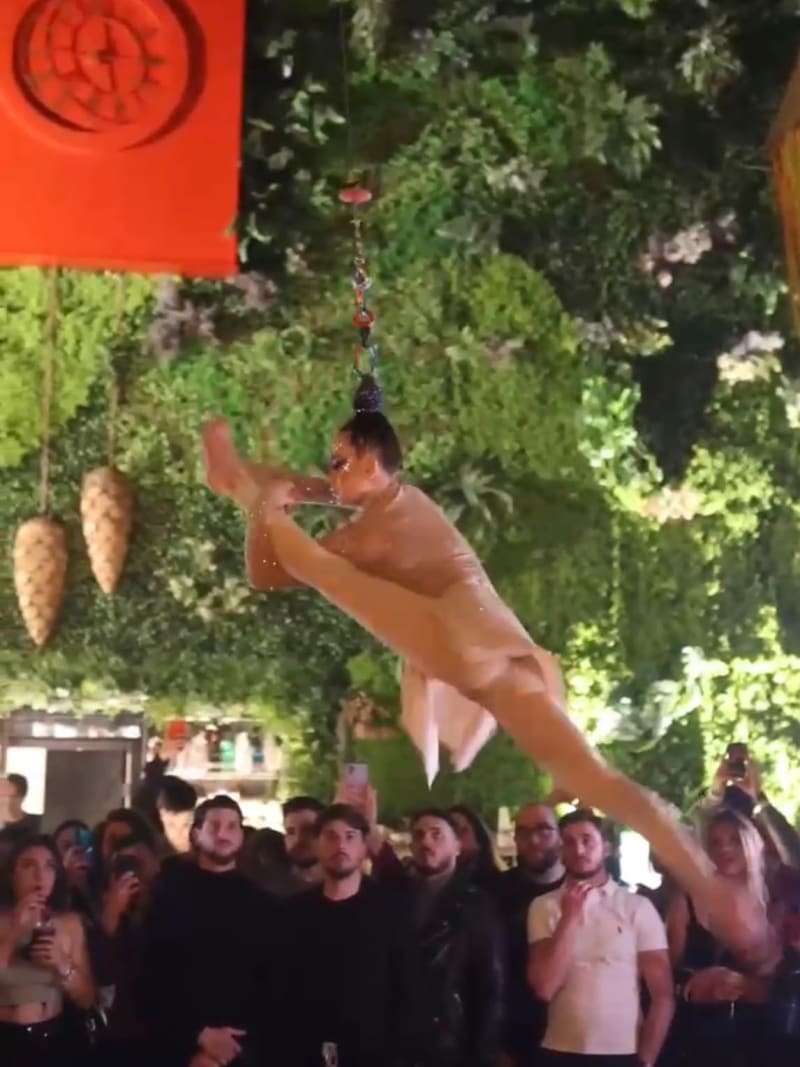
Aerial hoop
Want to fly like a Ferrari? Aerial hoop is for you. Race through the air and take control—deciding when to float lightly and when to go full speed.
Performances for events across Italy & Europe · Private lessons in Catania
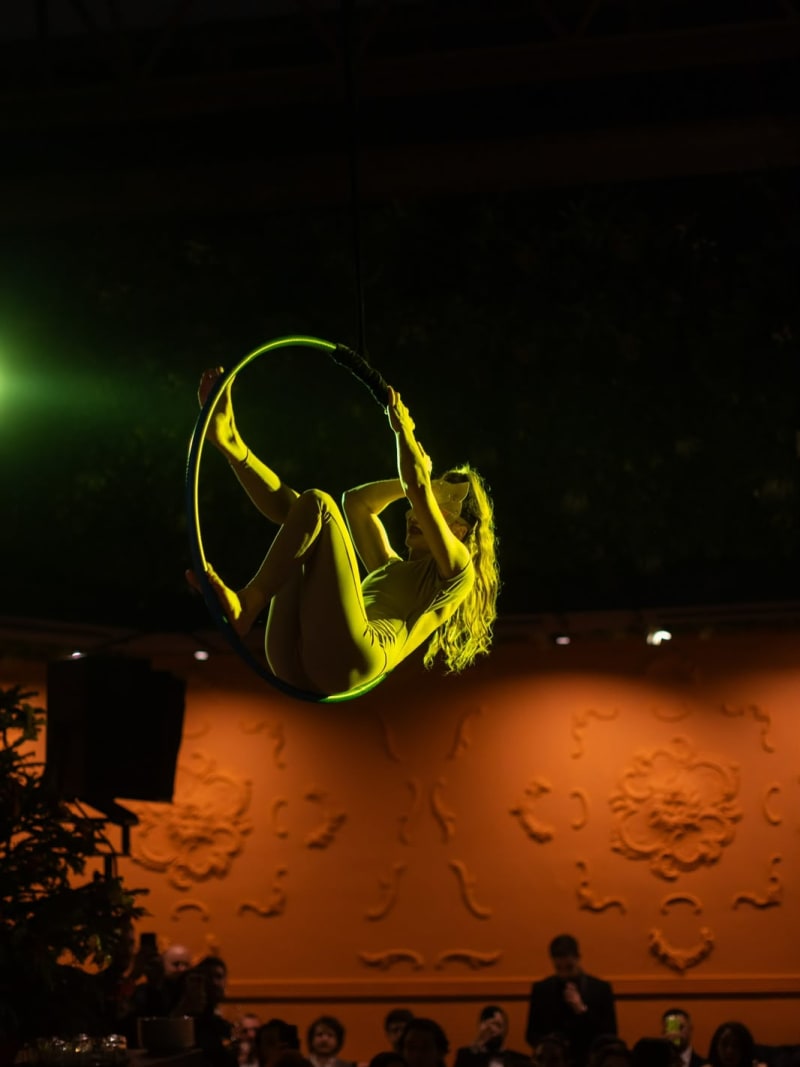
What it is
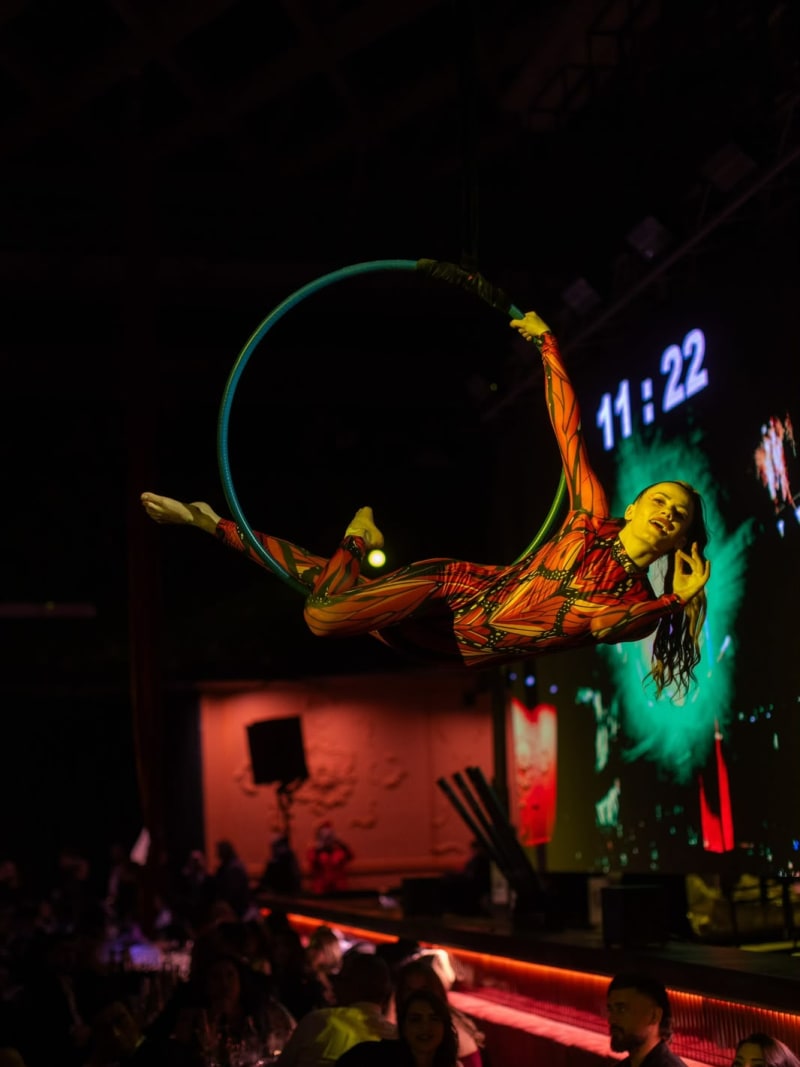
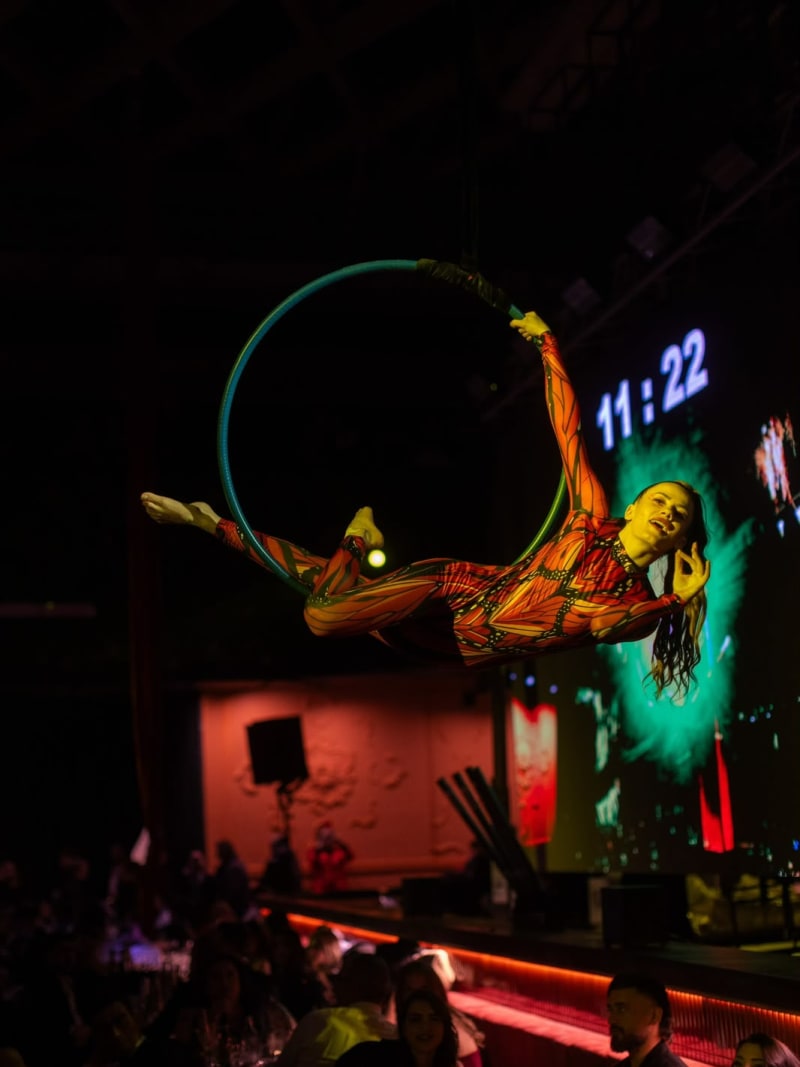
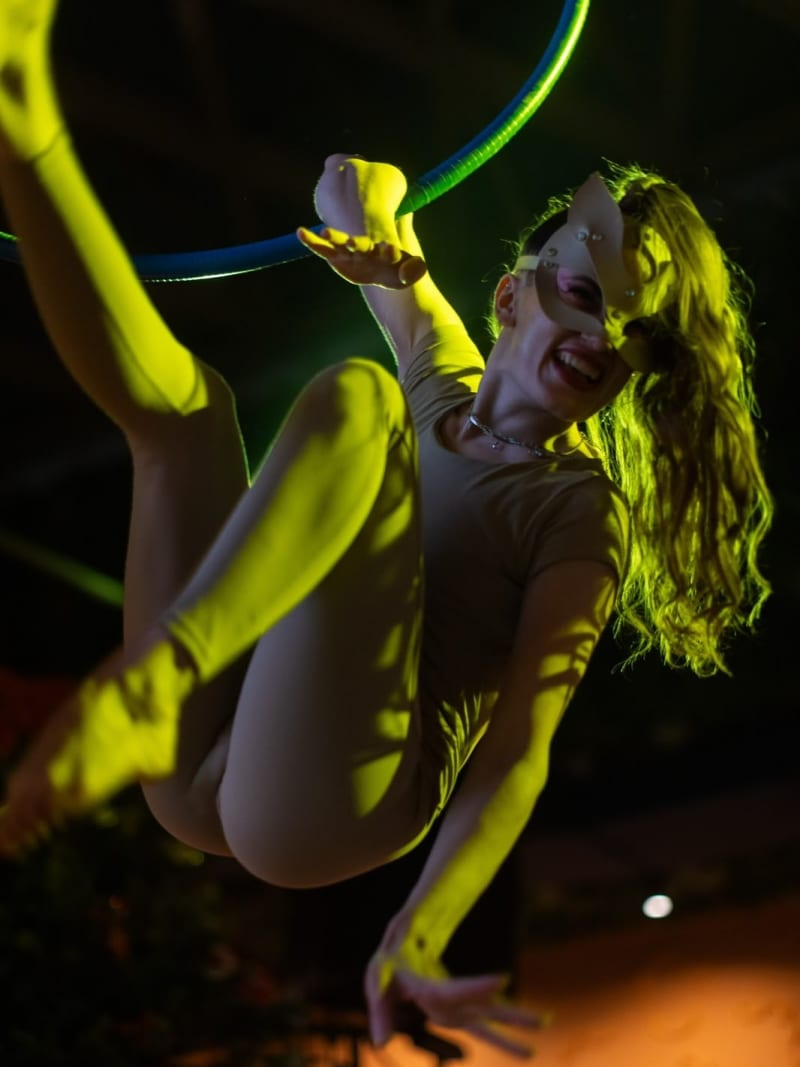
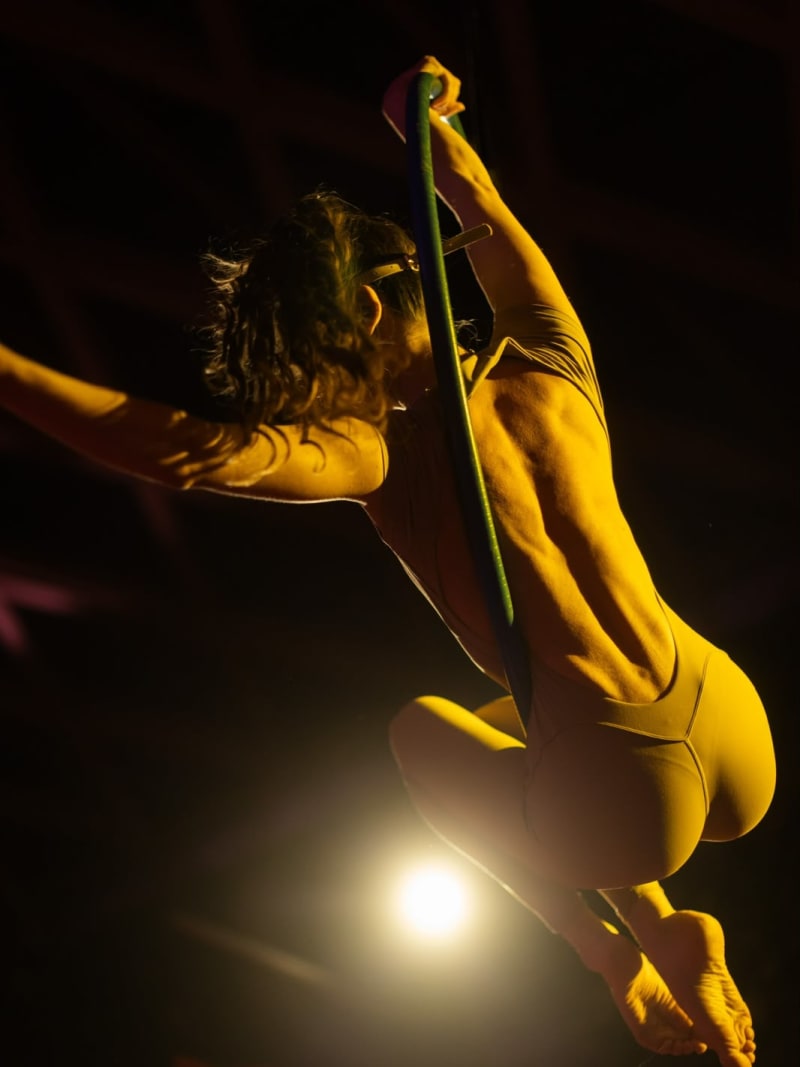
The aerial hoop, or lyra, is a steel tube bent into a ring, roughly 85 to 100 cm across, sized to the person using it and hung from a single point by a strap and a swivel. For training it hangs at about hip height: you mount it from a hang, end up seated on the bottom bar, and work from there on top of, underneath and through the ring.
Unlike silks, the hoop doesn’t give to the body: the body fits itself to the hoop. Contact points are few and hard (behind the knees, across the hips, in the crook of the elbow), and every shape reads as a figure inside the hoop. Then there’s the strap that ties it to the anchor: you climb it, hang from it, wrap a leg in it, and the choreography rises above the ring. On stage the hoop also works as a duo or a trio.
Aerial hoop
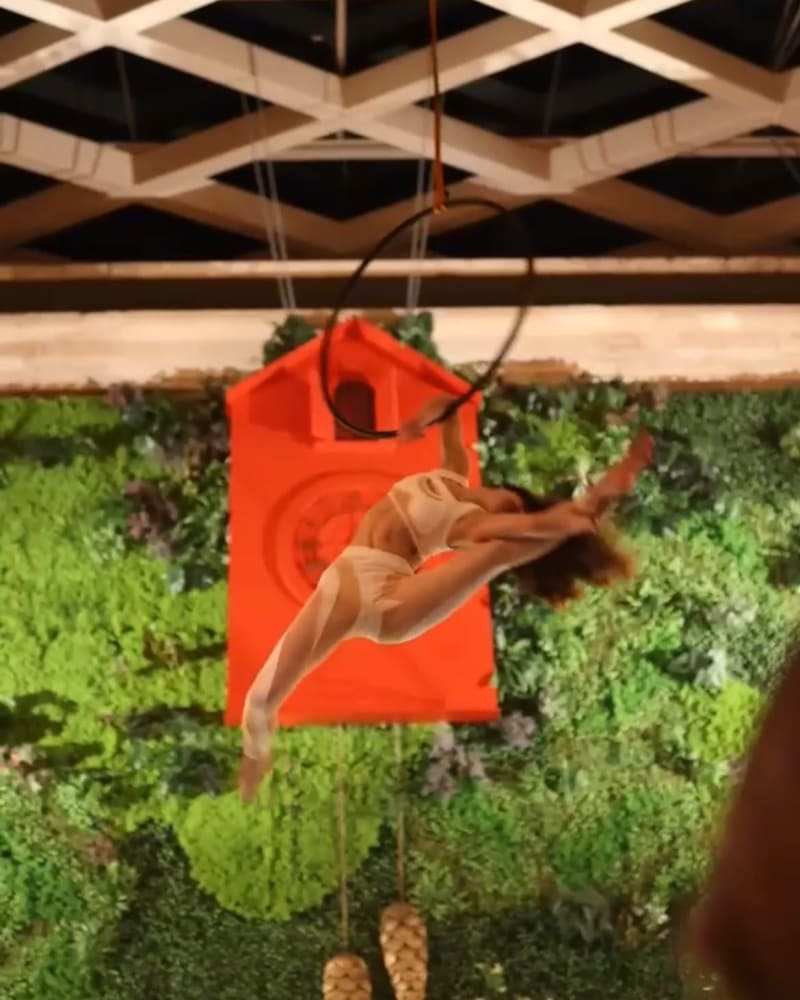
In motion
A few seconds in the air, no sound. The full show is just below.
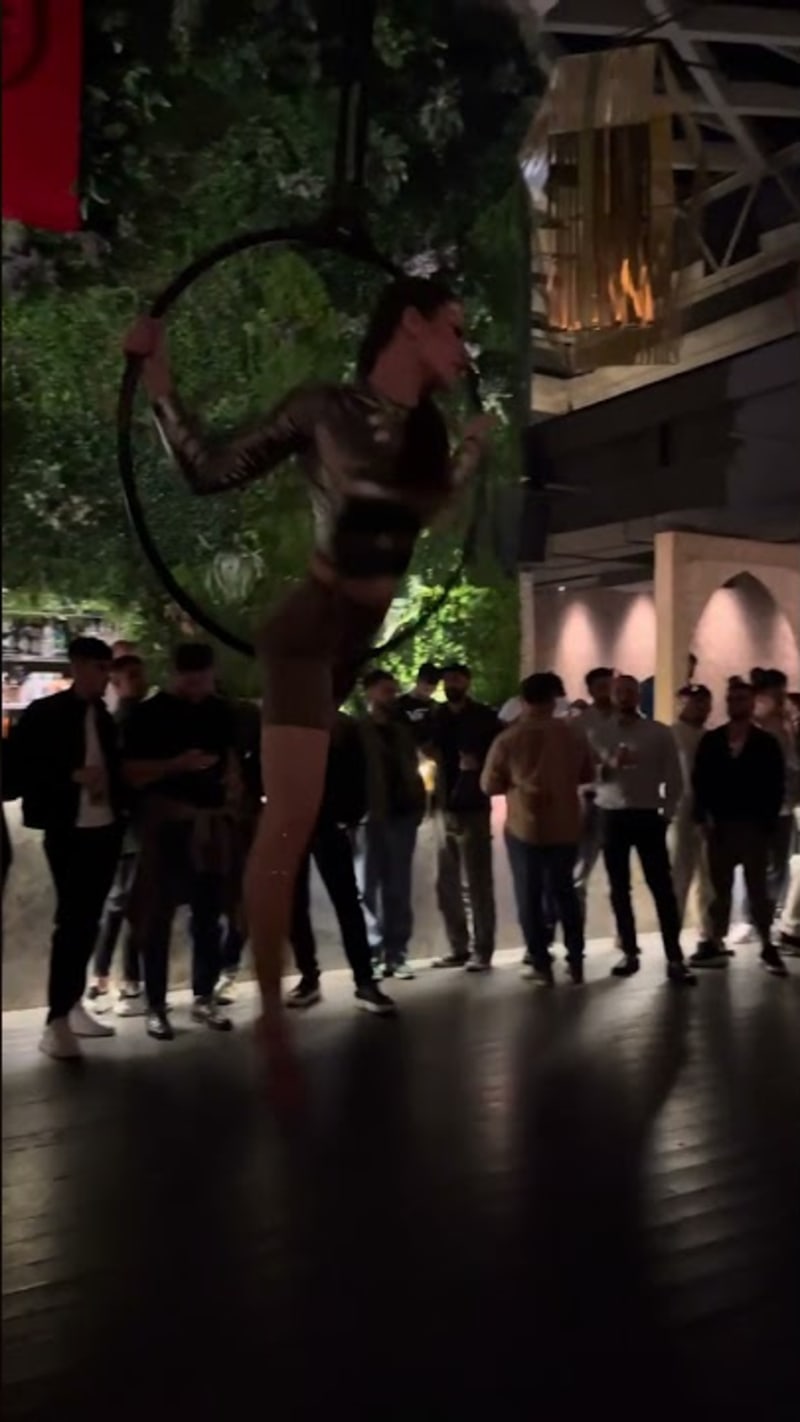
On stage
An aerial act changes the rhythm of an evening. This is how the discipline lives on stage.
Learn with Adele
Who it’s for
One of the most common places to start. Dancers and gymnasts find their lines and flexibility again; complete beginners get a stable apparatus to start on, a few centimetres off the floor.
For every level
- Never tried
- Beginner
- Intermediate
- Advanced
- 01Grips, mounts from a hang and safe dismounts
- 02The core shapes: seated, man in the moon, mermaid, front and back balance
- 03Inverted mounts, the top bar and work on the strap
- 04Spin: starting it, using it and staying clean at speed
Frequently asked questions
Do I need experience to start?
No. You start with the hoop low, within reach of your feet, and raise it only once your grips and mounts are reliable.
Is it hard work?
More than you’d expect, and differently from silks. The hoop works grip, core and shoulders, and the contact points hurt until your skin gets used to them: bruises behind the knees in the first weeks are almost a rite of passage. Spin adds dizziness, which you train like everything else.
What should I wear?
Full-length leggings and a fitted top: they protect your skin from the tube and its grip tape. No jewellery, and no lotion on your hands or arms: it kills your grip.
Can I take it as a duo?
Yes: the hoop works as a duo and even a trio, with shared shapes and bodies counterweighting each other. In lessons, working as two teaches you to share the space inside the ring.
From the guide
All articles3 min read
Aerial hoop or aerial silks: which to start with
Aerial hoop and aerial silks compared for beginners: how they are made, what you learn first, how tiring they are and what to wear.
3 min read
Do you need to be strong or flexible? Beginners’ questions
Strength, flexibility, fear of heights, age, clothing: answers to the questions people ask most before starting aerial arts from zero.
Want to try it, or put it on stage?
Five apparatus
Five ways to be in the air
Each discipline has its own page: what you learn, who it’s for, how to start.
- You’re hereAerial hoopWant to fly like a Ferrari? Aerial hoop is for you. Race through the air and take control—deciding when to float lightly and when to go full speed.Discover the discipline
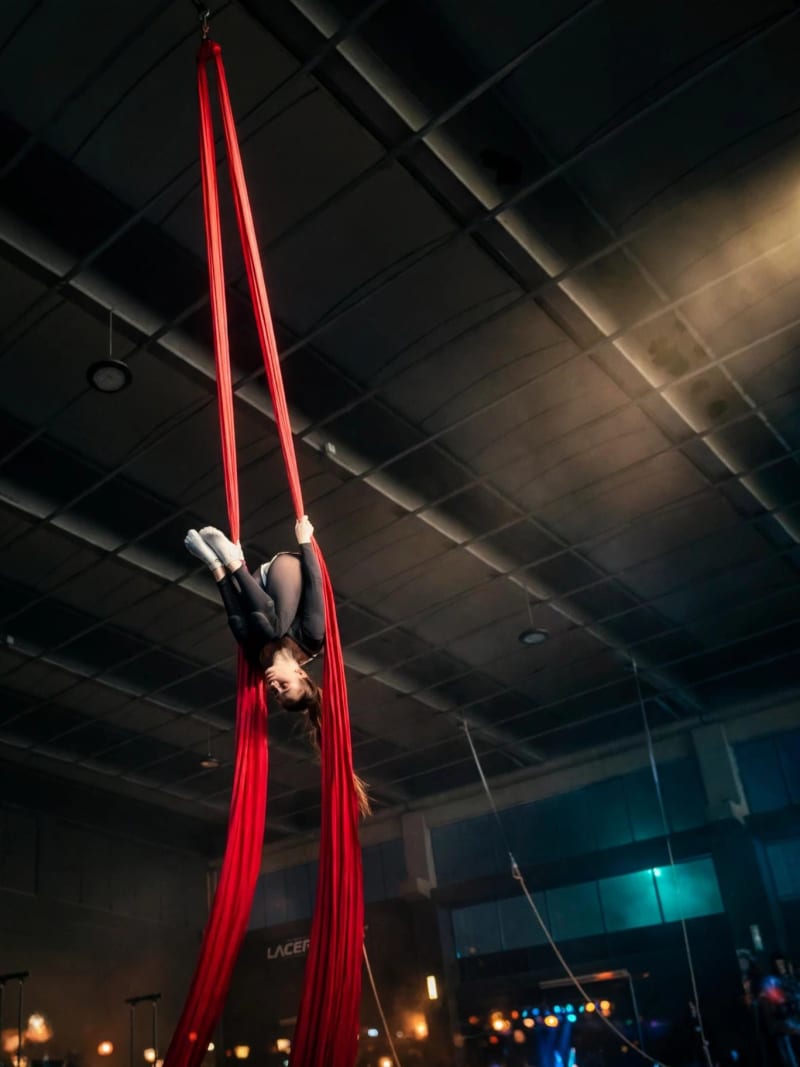
- Aerial silksWant to learn not to fear falling? Aerial silks are for you. Here you drop at speed, and your hand decides when to stop the fall. Full control of the fabric, your body and your grip.Discover the discipline
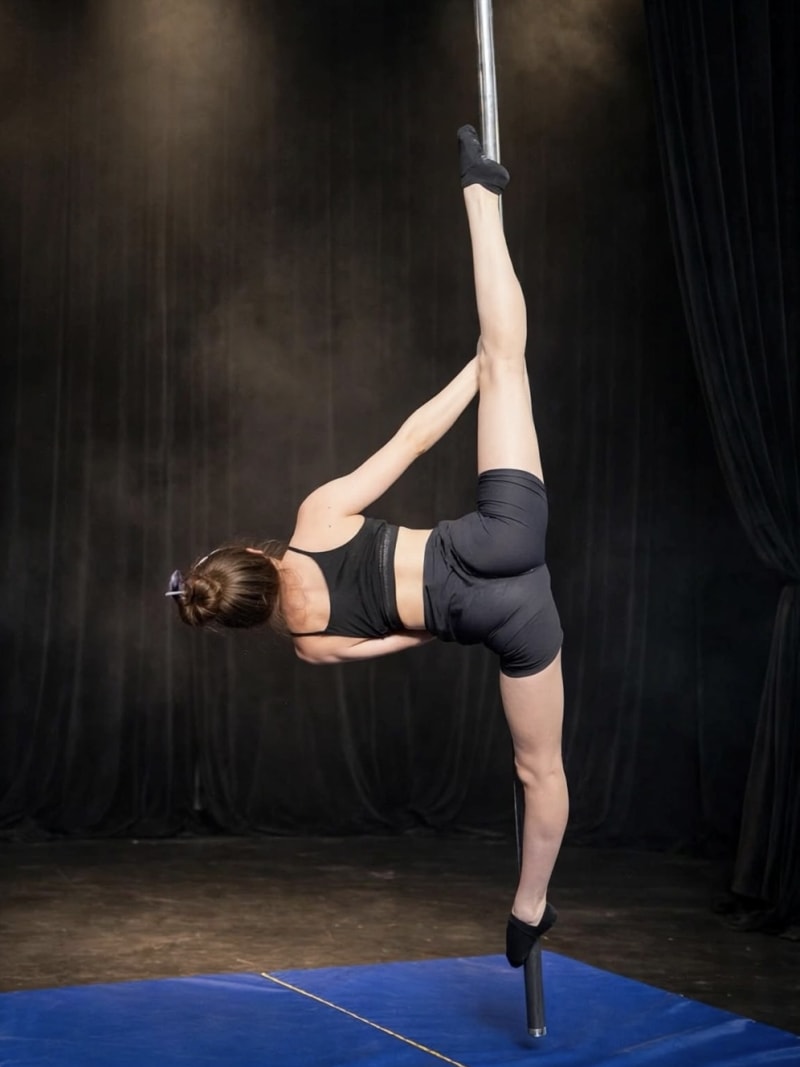
- Flying poleWant to be gentle and strong at once? Flying pole is for you. Glide lightly through the air while holding on with your whole body.Discover the discipline
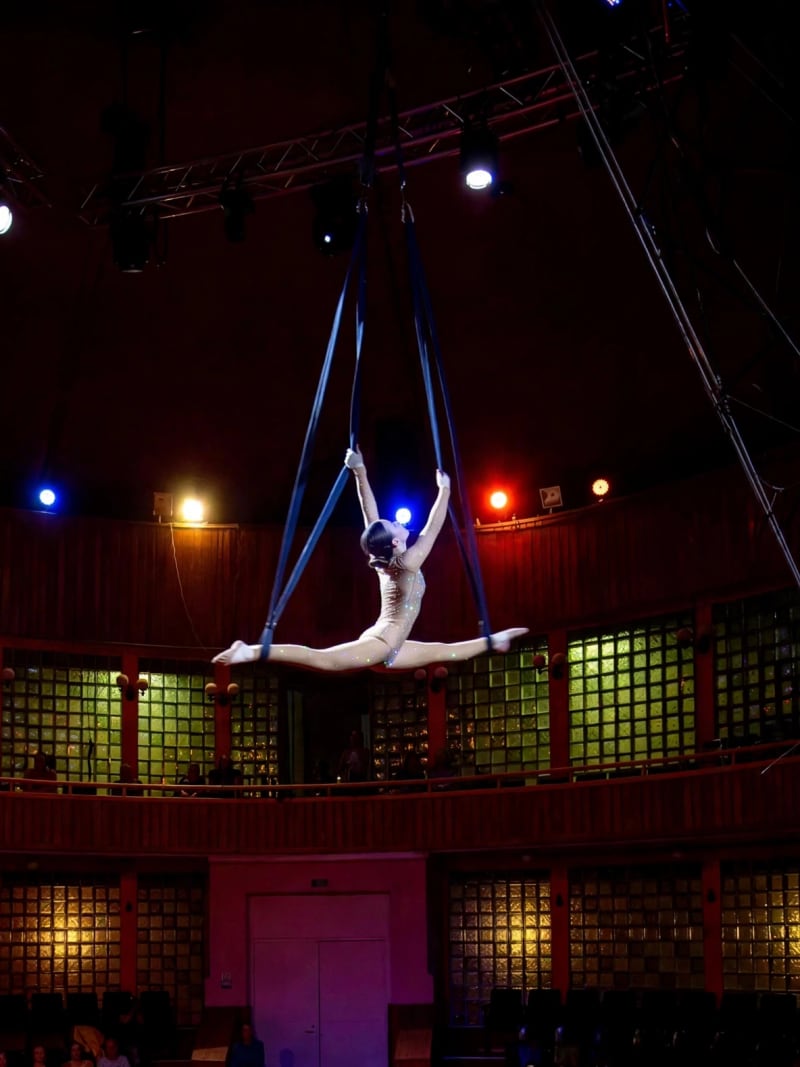
- Aerial strapsWant to discover the full power of your arms and shoulders? Aerial straps are for you. Explore breathtaking drops and move with lightness and grace.Discover the discipline
- Hair hangingWant to discover that nothing is impossible? Hair hanging is for you. Just like in Cirque du Soleil—high above the ground, supported by your hair alone, taking your first breathtaking spins.One-to-one lessons onlyDiscover the discipline